Video teratas

💎 Special Offer: starting from just $4.99! Get 50% OFF full access to the map + exclusive strategic updates: https://www.rfunews.com/pricing
Russians have now officially started to dismantle their own air defense, leaving even more gaps for Ukraine to exploit. All of this was done solely to increase the number of strikes on Ukraine, as Russia has begun converting its existing air defense missiles into ground-attack ballistic missiles. According to Ukrainian intelligence, Russia converted around two-hundred missiles in two-thousand-and-twenty-five and plans to convert an additional four-hundred-and-eighty by the end of this year. However, as these missiles were never designed for such ground-attack purposes, their accuracy is horribly ineffective. Additionally, using air defense interceptors as strike weapons creates a serious long-term vulnerability for Russian air defense as a whole, as production capabilities is refocused and repurposed, while Russians already suffer from a serious air defense problem.
Russian air defenses are already placed under significant strain, with Russian military analysts stating that Russia is experiencing a true air defense shortage. Ukrainian saturation tactics using waves of drones and missiles force Russian systems to already expend valuable interceptors, with some units already reporting a shortage. Instead of addressing this shortage, the Russian leadership has decided to prioritize offensive strikes against Ukraine. This decision may exploit Ukraine’s own shortage of ballistic missile interceptors, but it leaves Russia with a thinner and less capable defensive shield of its own, while Ukraine works to strengthen theirs instead. Despite this obvious misalignment of priorities, Russia is now focusing massively on launching as many of them as possible to strike targets across Kyiv.
The latest Russian strike involved twenty-four ballistic missiles, four Zircon missiles, and more than one hundred drones. Russians deployed ballistic missiles with cluster warheads to target warehouses within the city. As a result of the attacks, seventeen people were killed, more than forty were injured, and fire raging for hours.
Simultaneously, Russia is importing additional offensive capacity while prioritizing missiles that weaken or fail to replenish its homeland defense. A North Korean missile unit has recently been deployed to the Voronezh region to support missile strikes against Ukraine. The contingent includes approximately six individual ballistic missile launchers and more than one-hundred-and-twenty ballistic missiles. These North Korean missiles and launchers will soon enable Russia to conduct even larger salvos and more frequent attacks on Ukraine, putting Ukraine’s air defense network under increasing strain.
However, destroying the launchers before firing may be more realistic than attempting to intercept every missile after launch. Ukrainian Foreign Minister Andrii Sybiha has declared that North Korean missile installations or systems deployed to attack Ukraine are legitimate military targets. President Volodymyr Zelensky has additionally made a decree to prioritize the destruction of Russian ballistic missile launchers to reduce the number of strikes against Ukraine. Zelensky stressed that Ukrainian forces already know how to track the locations of the launchers with the help of Western intelligence support. At the same time, Ukraine is working together with European partners to produce an anti-ballistic missile air-defense system as a long-term solution. The interceptor missiles of the Freya system will be manufactured domestically by Fire Point, while its radar and sensors would be supplied by Europe. This would help to reduce Ukraine’s dependence on the US-made Patriot system with a domestic alternative. If this new air defense system is successfully developed and mass-produced, while Ukraine strikes Russia’s launchers, Ukraine could significantly reduce the number of successful ballistic missile strikes. Moscow is now exploiting Ukraine’s temporary shortage, but it is encouraging Ukraine to destroy Russian launchers and accelerate a European replacement for Patriot.
Overall, diverting air defense interceptors into ground-attack missiles is Russia’s biggest mistake, because they are trading long-term homeland protection for short-term strike capacity against Ukraine. Every gap in Russian protection, which they voluntarily make, creates additional opportunities for Ukraine, which they can exploit. Additionally, importing North Korean missiles increases short-term attack volume but does nothing to repair the growing defensive vulnerability inside Russia. Russia is trying to exploit Ukraine’s temporary shortage by creating a potentially longer-term shortage in its own defensive system.

🔴 YOU ARE MISSING HALF OF OUR VIDEOS! Subscribe to unlock all out reports and support our work: https://www.youtube.com/channe....l/UCcNB1tZYpeDetqCad
Today, the biggest news comes from the Pokrovsk direction.
Recently released footage by the Ukrainian Rubizh brigade shows a small stretch of land filled to the brim with killed Russian soldiers. The brigade states that Russian forces have tried to infiltrate the area in small groups but are consistently failing to make any progress. The unit reports that in this small area alone, they have killed over one-hundred enemy Russian soldiers.
For the past six months in this sector, Russians have been repeatedly trying to penetrate deeper into Ukrainian lines and again break through the Ukrainian defense line. Doing so would move them closer to surrounding Dobropillia from the east, the last major Ukrainian stronghold in Western Donetsk. After failing to break into Dobropillia from the south directly, Russians see outflanking as their only viable option left, outside of overcommitting all of their reserves and leaving nothing left to take advantage of the breakthrough.
However, in the video shared by the Rubizh brigade, we can see exactly why the Russians are failing here on the flanks. The footage shows that the killed Russian soldiers are piled up against lines upon lines of concrete blocks and razorwire defenses. Interestingly enough, we can see in the footage that in trying to cut open a path through the razor wire, Russian soldiers themselves created a narrow corridor that Ukrainians were able to concentrate their fire onto; inadvertently creating the exact kill zone that resulted in the disastrous losses for the Russians.
Namely, Ukrainians have constructed an extensive defensive line made up of engineering obstacles placed in depth. In some places, the line reaches as deep as six layers of barbed and razor wire, dragon’s teeth, and anti-tank ditches. All of these defenses are able to counter both Russian armored and infiltration assaults, meant to slow down and delay enemy movement to allow Ukrainian defenders the time to eliminate all of the threats. These areas where Russian movement is slowed down and concentrated to one spot are then exploited to the maximum effect and turned into killing fields. Footage shared by the Russian side last month already shows around one-hundred Ukrainian drones waiting in ambush along only a small stretch of road. These drones lay in ambush along viable and known Russian infiltration routes in standby mode to save battery, coming into action and striking the enemy soldiers once they come into view.
With the Azov Corps commander taking full responsibility for this sector, these Ukrainian tactics are being implemented with increasing frequency. Notably, Ukrainian forces report that when these tactics are applied correctly, they allow them to eliminate sixty Russian soldiers for every Ukrainian soldier lost in combat. These devastating losses in exchange for minimal territorial gains are gradually wearing out Russian reserves and combat capabilities, undermining Russian offensive posture and momentum as well as their defense. The undermining of Russian defensive posture through exhausting their manpower reserves is extremely important if we remember that currently the Skala assault regiment has been transferred to this sector, has been placed under Azov command, and is currently spearheading operations to unblock critical defensive positions in front of Dobropillia. Ensuring that Ukrainian defenses do not budge against Russian assaults ensures that Ukrainians have a secure staging ground to launch their counterattacks from, increasing the chances that Ukrainians will be able to turn the tide in the Pokrovsk direction as well.
Overall, Russians have failed to find a way into the Ukrainian fortress town of Dobropillia, and are losing hundreds of men in narrow chokepoints in trying to outflank it. Ukraine’s modernized engineering obstacles designed to counter exactly Russia’s most important tactics of mechanized assaults and infiltrations are proving extremely effective at holding the enemy at bay. As Russians are unlikely to admit that they are unable to advance, even more Russian reserves will be sacrificed in the Ukrainian kill zones north of Pokrovsk. As these losses accumulate to a breaking point, Ukrainians will be able to take advantage and retake the initiative in this sector as well, continuing a trend being seen in more and more places along the Ukrainian front lines.

قاجاریه در عهدنامههای ننگین گلستان، ترکمانچای و آخال، سرزمینهای ایرانی در شرق و غرب دریای خزر را به روسیه واگذار کرد. حالا جمهوری اسلامی، از سهم ایران در دریای خزر به دلیل نوچگی روسیه میگذرد.
مردم ایران، این روزها را برای تاریخ به خاطر بسپارید؛ جمهوری اسلامی در حال رقم زدن خیانتی بزرگ به ایران است.

ملت شریف ایران،
تمام تلاش ما در کافه اندیشه این است که صدای مردم ایران، ایرانگرایی، شهریار ایرانزمین – رضا شاه دوم – و خاندان ایرانساز پهلوی باشیم.
سپاس از مهرتان 🙏🏼 پاینده ایران 💚🤍❤️
👉 اگر با محتوای ما همراهید، لایک کنید، سابسکرایب کنید و زنگوله را بزنید تا صدای آزادیخواهی ایران رساتر شود.
✅ لینک دسترسی و عضویت در کانال یوتیوب 👇🏻
https://youtube.com/@cafeandis....heh5016?si=ZtYEgcQOH
✅ لینک کانال اینستاگرام 👇🏻
https://www.instagram.com/cafe....andisheh?igsh=MW1hcn
✅ لینک توییتر (ایکس) 👇🏻
https://x.com/cafeandisheh?t=MyWDoEnV2Le_CJz4YNHp-Q&s=09
#ایران #شاهزاده_رضا_پهلوی #کافه_اندیشه @cafeandisheh5016 #cafeandisheh

نتانیاهو از احتمال حمله دشمنان به اسرائیل در آستانه انتخابات پارلمانی این کشور خبر داده و گفته اسرائیل با قدرت به چنین حملهای پاسخ خواهد داد. آیا ممکن است جمهوری اسلامی به حمله پیشدستانه علیه اسرائیل دست بزند؟ چنین حمله پیشدستانهای بر اساس چه محاسباتی ممکن است انجام شود؟ چنین حملهای چه نفعی برای جمهوری اسلامی میتواند داشته باشد و چه ضررهایی؟ و آیا چنین حملهای به اسرائیل نوعی خودکشی برای جمهوری اسلامی به حساب نمیآید؟

💎 Special Offer: starting from just $4.99! Get 50% OFF full access to the map + exclusive strategic updates: https://www.rfunews.com/pricing
After recent offensive action in the Dnipropetrovsk sector, Ukraine's Skala special assault Regiment achieved a massive breakthrough and cleared seventy-five square kilometers of the grey zone, while pushing Russia's area of control back significantly further. The regiment reports that this is one of the most significant offensive operations by Ukrainian forces this summer. They report that Russian defenders in the sector have suffered a critical number of casualties, as well as losing several key deployment points and access routes necessary for their continued operations in the area.
This massive operation began shortly after Ukrainians already advanced over four-hundred square kilometers in the area earlier this year. After Russian lines broke, their high command urgently redeployed a significant number of forces to halt the Ukrainian advances; one of which was the one-hundred-twentieth Marine Infantry Brigade, along with even the full ninetieth Russian tank division, numbering an estimated total of over thirty-thousand enemy soldiers. Because of these reinforcements, Ukraine's advance was forced to halt, as any attack against such an overwhelming force would have been disastrous; So, the Skala special assault regiment had to find a way to remove the Russian equipment and marines from the equation, and allow Ukrainians to continue retaking the initiative.
This is why Ukrainian drone operators started the three-day-long Ashan operation, which was a larger concentrated drone campaign aiming to destroy Russian heavy equipment, as you may remember from a previous report. Among the targets were artillery pieces, such as the North Korean Koksan self-propelled artillery system, which deprived the arriving Russian soldiers of fire support that could have been used against advancing Ukrainian soldiers. After that, Ukrainian drones started targeting armored personnel carriers, which reduced their mobility. Then, Ukraine struck Russian soldiers to reduce the Russians’ manpower before they could be sent to the frontline to stop the Ukrainian advance. To disrupt the logistics of the already present enemy soldiers along the front, Ukrainian operators struck multiple Russian military trucks as well, simultaneously denying supplies and reinforcements for the Russians. As a result of the Ashan operation in this sector, Ukrainian drones destroyed one hundred and seven pieces of equipment in just three days and removed a substantial part of Russia’s firepower, transport, and logistics supporting the marine reinforcements.
To defend their land-based logistical routes before advancing, Ukraine has installed forty-two kilometers of anti-drone protection along roads in the Dnipropetrovsk region. These anti-drone nets allowed ammunition, reinforcements, and assault groups to move through the rear without every convoy being exposed to Russian FPV drones, while Russian equipment and supply traffic had been devastated. After these preparations, dozens of assault groups launched a simultaneous offensive from the Velykomykhailivka area with round-the-clock drone support. The Skala regiment first pushed through Ternovate and, after clearing it, moved towards the south, supporting the southern vector. Along this route, Ukrainian assault troops pushed towards Zaporizke and secured the right flank of the attack towards Ternove. At the same time, Ukraine expanded the breach north of these villages and captured Sichneve. This allowed the Ukrainians to use it as a springboard and advance even further eastward and attack Maliivka.
During the operation, Ukrainian reconnaissance drones identified Russian positions and targeted them with artillery, suppressing known firing positions before Ukrainian assault groups entered the settlements. This attack was further supported by FPV drones, which struck Russian soldiers who tried to hide after the artillery barrage. Additionally, heavy bomber drones attacked the scattered Russian soldiers by dropping ordnance on them. Russia tried to send reinforcements, but their armored vehicles were destroyed on the move by drones, eliminating them before they could help the defending Russians.
As a result of the attacks, Ukraine erased the Russian line as they advanced up to ten kilometers into Russian-held territory, liberating seventy-five square kilometers. This enabled Ukrainian forces to extend the reach of their drone operations and establish fire control over key Russian logistics routes in this sector.
This is what happened to Russia’s one hundred and twentieth Marine Infantry Brigade, which served as a reinforcement and suffered critical losses, rendering it combat ineffective. This forced the surviving elements to withdraw from the Dnipropetrovsk region, which is exactly what Ukraine needs to continue offensive operations

Provided to YouTube by DistroKid
ای ساربان · Ramtin Honar Music · Ramtin Honarmandan
رامتین هنر موزیک | آلبوم شماره ۱
℗ Ramtin Honar Records
Released on: 2026-07-25
Auto-generated by YouTube.
حمله مسیح علینژاد به شاهزاده رضا پهلوی و پاسخ کوبنده ایرج مصداقی - بخش مهم لایو

🔴 Become a member of Tousi TV+ at https://tousi.tv
🛒 Want to work for Tousi TV? Look at our careers page: https://tousi.tv/careers
📲 Download Tousi TV app — available on iPhone and Android.
X: @TousiTVOfficial
Instagram: @TousiTV
TikTok: @TousiTVOfficial

#احمدهلاکویی #تاریخ_ایران #یعقوب_لیث #رازهای_تاریخ
آیا میدانستید اگر «یعقوب لیث صفاری» نبود، شاید امروز ما به زبان دیگری صحبت میکردیم؟ داستان مردی که از بازار مسگران سیستان بلند شد، گروهی از عیاران (جوانمردان) را دور خود جمع کرد و برای اولین بار پس از ۲۰۰ سال سکوت، جرات کرد به چشمان خلیفه عباسی زل بزند و بگوید: «نه!»
در این ویدئو پرونده تاریخی یعقوب لیث را باز میکنیم. از ماجرای دزدی که نمکگیر شد، تا نامههای بی و پروا و تهدیدآمیز به بغداد. از نبرد نفسگیر دیرالعاقول و خیانت بزرگ، تا آن صحنه مشهور در اتاق مرگ: شمشیر در برابر نان و پیاز.
معرفی یعقوب لیث: پایان ۲۰۰ سال سکوت
دوران کودکی و شغل رویگری
عیاران کیستند؟ رابینهودهای ایرانی
داستان دزد نمکگیر و مرام عیاری
آغاز شورش و فتح سیستان
نامههای تهدیدآمیز و بدون سانسور به بغداد
واکنش خلیفه و لعن کردن یعقوب
حرکت به سمت بغداد برای نبرد نهایی
فاجعه در نبرد دیرالعاقول
حیله جنگی خلیفه: سیل و باتلاق
عقبنشینی به گندیشاپور و بیماری
صحنه رویایی با فرستاده خلیفه
نان، پیاز و شمشیر: فلسفه قدرت یعقوب
سه گزینه روی میز برای خلیفه
مرگ یعقوب لیث صفاری
وصیتنامه تاریخی به برادرش عمرو
زنده کردن زبان فارسی و دستور عجیب به شاعران
میراث یعقوب برای ایران امروز
منابع Sources
تاریخ سیستان
تاریخ طبری (تاریخ الرسل و الملوک)
الکامل فی التاریخ – ابن اثیر
تاریخ ایران کمبریج (The Cambridge History of Iran):
جلد چهارم، فصل مربوط به طاهریان و صفاریان (نوشته کلیفورد ادموند باسورث C.E. Bosworth).
مقاله دانشنامه ایرانیکا (Encyclopædia Iranica):
YAʿQUB b. LAYṮ b. MOʿADDAL

اسم فیلم و توضیحات در کامنت اول پین شده ..
کانال تلگرام ما برای فیلمها 👇
https://t.me/AndoooooTv
..................
➖➖➖➖
توی ۱۰ دقیقه یه فیلم کامل و ببین و فقط بخند . رفقای گلم حال دلتون خوش باشه لایک و ساب یادتون نره 😘
➖➖➖➖
If this work belongs to you and
you want this video removed, please tell us in the comments 🙏
Important To Read: We make videos to invite people to watch these movies, which are truly hidden diamonds to entertain people. This video is all about explaining the movie from our own point of view. For the Explanation, we have used Most of the video clips from The Movie for better understanding. For Video Clips all credits go to the movie owners. Copyright Use Disclaimer - This video is for educational purposes only.
Copyright Disclaimer under Section 107 of the Copyright Act 1976, allowance is made for "fair use" for purposes such as criticism, comment, news reporting, teaching, scholarship, and research. Fair use is a use permitted by copyright statute that might otherwise be infringing. Non-profit, educational or personal use tips the balance in favor of fair use.
➖➖➖➖
فیلم دوبله فارسی فیلم دوبله فیلم کیم کارداشیان فیلم آنجلینا جولی فیلم الکساندرا داداریو فیلم سلنا گومز سلنا نیکول کیدمن فیلم عاشقانه فیلم دوبله تاجیکی فیلم دوبله تاجیکستانی فیلم افغانی فیلم دوبله افغانستانی معرفی فیلم خلاصه فیلم فیلم ۲۰۲۴ فیلم فارسی سریال فارسی
Филми дубляжи форси фильми мазхакавй recapped film andotv2 AndoTv2 andotv 2 Andotv2 Andotv 2 ANDOTV2 ANDOTV 2
Andotv ANDOTV andotv
#فیلم_سینمایی
#فیلم_دوبله_فارسی
#خلاصه_فیلم
🔴 YOU ARE MISSING HALF OF OUR VIDEOS! Subscribe to unlock all out reports and support our work: https://www.youtube.com/channe....l/UCcNB1tZYpeDetqCad
Today, the biggest news comes from the Russian Federation.
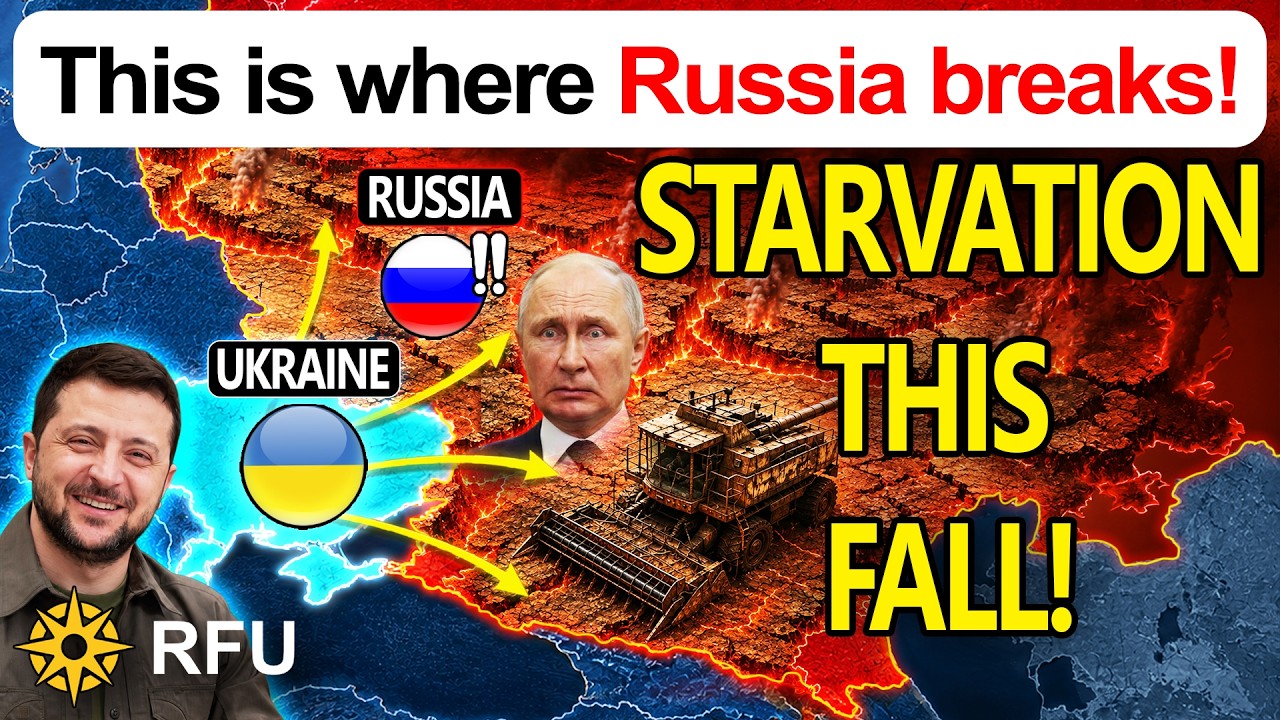
The first signs of serious agricultural disruption are already visible in Crimea, where farmers are warning that the current harvest period could fail because fuel shortages are preventing them from using farm machinery. Tractors, combines, and farm trucks all depend on a steady supply of diesel, so when fuel runs out, farmers can no longer continue harvesting even when crops are ready to be collected. This is already happening as parts of the Crimean peninsula face severe fuel shortages, with gas stations running dry, major retailers restricting sales, and some agricultural operations stopping because they cannot refuel their machinery. Russian authorities have acknowledged that strikes on infrastructure are creating fuel shortages, while Ukrainian attacks have repeatedly targeted fuel storage and distribution facilities across Crimea. That disruption is especially damaging during harvest, because even a short interruption can cause permanent losses once ripe crops remain in the fields long enough to be damaged by weather, moisture, or over-ripening.
The same fuel crisis is also hitting the much larger agricultural regions of Rostov, Krasnodar, and Stavropol, which together produce around twenty percent of Russia’s grain. Disruption there could therefore affect grain supplies and food prices across the country rather than remaining a local problem in Crimea. Farmers in Rostov describe workers spending half a day waiting for fuel, while diesel prices have risen sharply and supplies have become harder to secure for the tractors and combines working the fields. Similar shortages have also been reported in Voronezh, Lipetsk, Tambov, Sverdlovsk, Bashkortostan, and Yakutia, extending the fuel shortage across several major farming areas at once. By the beginning of July, Russia had harvested only around one point three to one point five million hectares, compared with more than four million hectares at the same point last year, although weather also contributed to the slower start. In Rostov alone, agricultural representatives estimate that missed harvesting windows could cause crop losses of up to fifteen percent.
Failed harvests across several regions would not leave Russia without food overnight, but they would make everyday life more expensive by reducing available supply and pushing up the price of basic necessities. Russia is already dealing with persistent inflation, with consumer prices going up four point six seven percent since the start of the year by the end of August, while official data suggests continued price increases for basic food products. If farmers bring in less grain, sunflower seeds, and other crops, food producers have less raw material to work with, while transport and processing also becomes more expensive when fuel is scarce. Food producers and retailers then have to cover those higher costs, which pushes up the price of basic products such as bread, meat, and dairy.
This also connects directly to Ukraine’s wider strategy of making Crimea harder and more expensive to hold while also increasing the cost of continuing the war for Russia. Ukrainian strikes on fuel infrastructure are already creating shortages that affect transport, agriculture, and daily life across the peninsula, forcing Moscow to spend more resources keeping Crimea supplied while also supporting its armed forces on the peninsula. As food and fuel become more expensive, ordinary Russians are forced to spend more of their income on basic needs, making the war harder to separate from daily life. At the same time, Moscow has to decide how to use limited fuel supplies, whether to prioritize the military or redirect more fuel toward farmers, transport, and civilian demand. Sending more fuel to the army leaves less available for the economy, while shifting supplies back to civilians makes it harder to support Russian forces and keep Crimea functioning. That choice helps Ukraine pressure both sides at once, making Crimea harder to hold while giving more Russians reasons to resent the war and the state that keeps it going.
Overall, the fuel crisis exposes how dependent Russia’s war effort is on the same infrastructure that keeps the civilian economy functioning. Every major disruption forces Moscow to choose whether the scarce fuel capacity should support the war or keep the economy and Crimea running. That gives Ukrainian strikes a wider impact, because damage to one part of Russia’s fuel system can quickly spread into other parts of the economy at the same time. The deeper this pressure goes, the harder it becomes for Moscow to keep the war going without weakening either its military operations or stability at home.

Provided to YouTube by DistroKid
کاش میشد ببینمت · Ramtin Honar Music · Ramtin Honarmandan
رامتین هنر موزیک | آلبوم شماره ۱
℗ Ramtin Honar Records
Released on: 2026-07-25
Auto-generated by YouTube.

در این ویدیو قصد داریم بررسی کنیم که چگونه جمهوری اسلامی تنها طی 48 ساعت از جریان جنگ ۱۲ روزه با اسرائیل، کنترل کامل حریم هوایی خود را از دست داد. چرا، در شرایطی که آسمان ایران زیر ضربات گسترده قرار داشت، هیچیک از جنگندههای نیروی هوایی ارتش جمهوری اسلامی نه از آشیانه بلند شد و نه وارد نبرد هوایی شدو اصلاً آیا چنین توانی باقی مانده بود؟

ارتش اسرائیل اعلام کرد یک مجتمع زیرزمینی بسیار بزرگ و راهبردی متعلق به حزبالله را در جنوب لبنان بهطور کامل منهدم کرده است.
جزییات بیشتر در گفتوگو با اشکان صفایی، خبرنگار ایراناینترنشنال


برای دیدن ویدیوها و همچنین دانلود کتاب هایی که به عنوان منبع معرفی می شوند به کانال تلگرام قاصدک
تی وی مراجعه کنید:
لینک کانال:
https://t.me/GhasedakTV405
https://t.me/GhasedakTV405
https://t.me/GhasedakTV405
Join this channel to get access to perks:
https://www.youtube.com/c
#تاریخ_ادیان
#تاریخ_اسلام
#خدیجه
💎 Help us expand the coverage! Subscription starts from just $4.99! Get 50% OFF full access to the map + exclusive strategic updates: https://www.rfunews.com/pricing
Today, there is important news from the Russian Federation.
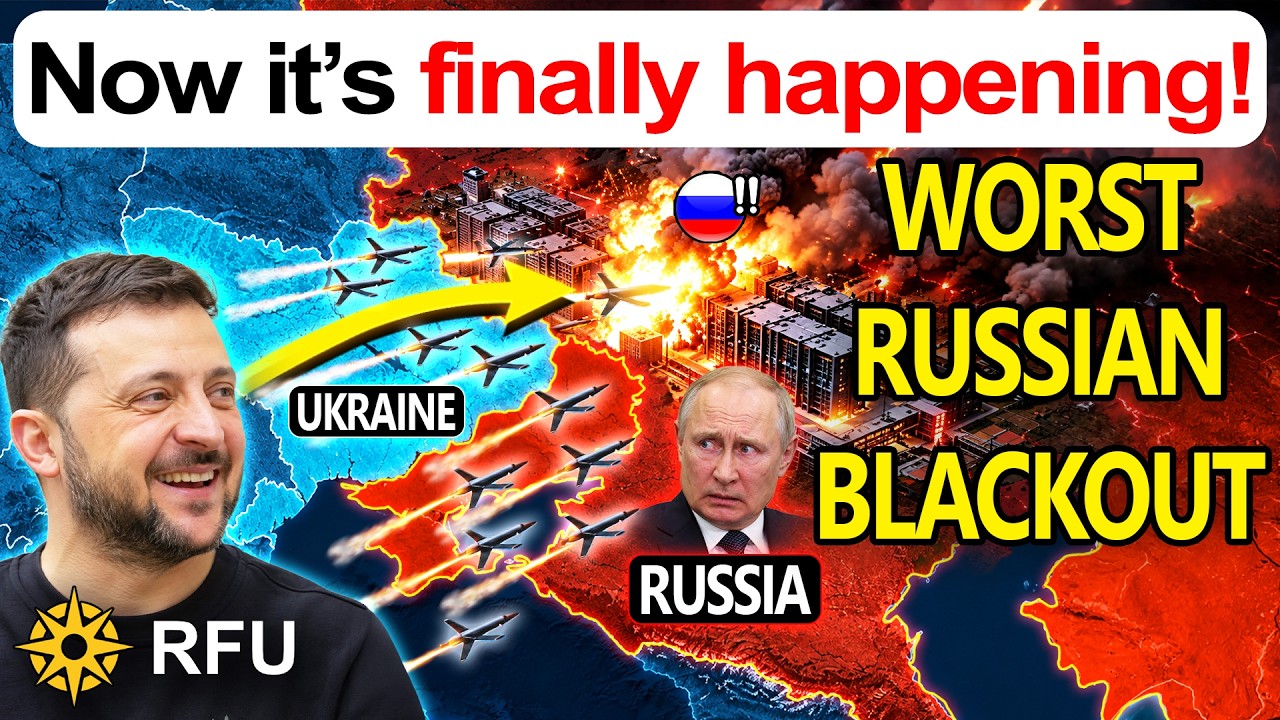
Here, Russia’s technology sector has suffered a major blow after drones struck Yandex’s biggest data center in Sasovo, in the Ryazan Region, triggering a fire and forcing the facility to shut down completely. Located on the former premises of the Sasta machine-tool plant, which supplies Russia’s engineering industry and was also targeted in the attack, the complex hosts tens of thousands of servers and represents Yandex’s most important computing facilities.
The Ukrainian attack immediately disrupted cloud infrastructure, as Yandex acknowledged electricity problems affecting one availability zone and advised customers to switch to alternatives. Although the company maintained that its principal consumer services remained operational, the complete shutdown demonstrated how quickly a physical strike can interrupt digital infrastructure supporting thousands of businesses, as problems were reported throughout various internet services in Russia within minutes after the attack.
Financial markets reacted immediately in panic as well, with Yandex shares falling approximately four percent during early Moscow trading, as investors were suddenly confronting a new risk: Russia’s most important technology companies could become increasingly vulnerable to the same type of disruption already affecting its energy and logistics sectors.
The timing is particularly significant because Russian strikes have recently targeted Ukrainian data centers, and now Russia is experiencing the consequences of attacks against its own digital infrastructure, while the economic implications could extend far beyond Yandex. Earlier attacks on Wildberries and Ozon facilities demonstrated how physical destruction can disrupt online commerce. Data centers represent an even more complicated challenge because they support the software systems that allow businesses to function.
What makes it even more dangerous, warehouses can often be replaced through smaller storage facilities, alternative distribution routes, and dispersed inventories. Large data centers are harder to replicate quickly, as they require enormous electrical capacity, cooling equipment, specialized servers, high-speed connections, and carefully coordinated software environments. Although workloads can be transferred between facilities, relocating massive datasets and computing capacity requires substantial investment and technical preparation. Consequently, repeated disruptions could create mounting costs even when companies successfully restore their services.
Russia’s digital economy depends upon these systems for cloud storage, financial transactions, corporate databases, telecommunications and government administration. Yandex itself operates search, navigation, transportation, storage and artificial-intelligence services, including YandexGPT. Disruption across several independent providers could therefore produce cascading problems: slower applications, interrupted online payments, unavailable business records, delayed administrative services and increasingly unreliable commercial platforms.
The next potential biggest target could be the Udomlya data center in Tver Oblast, processing nuclear-reactor simulations and storing state video archives from across Russia, the destruction of which could disrupt the work of the Russian government. The second major target could become Moscow’s M-Nine data center, which is a hub that, if taken offline, could cause a large part of the Russian internet to suffer immediate disruption, potentially affecting banking transactions, mobile connectivity, and government portals. Despite Russia possessing a geographically distributed data-center industry, most of the operational facilities are located inside or near Moscow.
After such a campaign, Russian companies will have to restore data access, redirect workloads, investigate interrupted transactions, and reassure customers. Some may need additional backup capacity, while others could reconsider relying exclusively on domestic infrastructure. For the Russian government, repeated incidents would create another expensive challenge alongside protecting refineries, transportation networks and industrial facilities.
Overall, the scale of the risk for Russia makes the Sasovo attack fundamentally different from previous attacks on warehouses. The immediate damage concerns physical equipment, but the secondary consequences can spread through businesses that never experienced the attack directly, demonstrating a vulnerability that Moscow can no longer ignore but can’t fix quickly enough as well. After years of Russian attacks against Ukraine’s civilian infrastructure, the consequences are increasingly reaching Russia’s own digital economy.

التماس جمهوری اسلامی برای توافق با آمریکا در حقیقت التماس مجتبی برای توافق با ترامپ است. چراکه جمهوری اسلامی در بالاترین سطح شکنندگی است و دیگر امکان تابآوری ندارد. التماسهای جمهوری اسلامی برای توافق سریع با آمریکا، ابراز تمایل برای مذاکره مستقیم و نشان دادن نرمش در خصوص برنامه هستهای و تنگه هرمز نشان دهنده این است که محاصره آمریکا نتیجه بخش بوده است.

💎 Help us expand the coverage! Subscription starts from just $4.99! Get 50% OFF full access to the map + exclusive strategic updates: https://www.rfunews.com/pricing
Today, there is important news from the Russian Federation.
Here, Ukraine’s campaign against Russia’s oil industry intensified, with explosions and fires reported at Lukoil’s massive Volgograd refinery. Processing roughly fifteen million tons annually, the facility produces gasoline, diesel and aviation kerosene essential to Russia’s economy and military. During the same attack wave, Ukraine also struck the Samara oil-distribution station, an important node involved in producing Russia’s oil export blend. These attacks followed an extraordinary week in which Ukraine reported strikes against six Russian refineries, demonstrating that individual raids can easily be turned into a systematic campaign with dangerous results for Russia.
As a result, the scale is becoming economically significant, as Ukraine’s Defense Ministry stated that more than fifty-one percent of Russia’s refining capacity has now been put out of operation, describing the objective as bleeding Russia’s military-economic system. Despite Putin acknowledging that attacks on energy infrastructure are affecting economic performance, his tactic is to translate this into a percentage change in gross domestic product only to hide the real economic effect and mislead the Russian public. Putin openly admitted a decrease of only about one percent of a roughly two-point-seven-trillion US dollar economy, which is approximately twenty-seven billion dollars. The broader cumulative consequences of the Ukrainian strikes, however, extend far beyond direct refinery damage through disrupted production, transportation, exports, repairs, and military fuel supplies, making опенUkrainian strikes deal even more harm due to their repetitive nature.
At Ilsky, Ukrainian drones damaged all three primary processing units, destroying almost the whole refining capacity. With the tank farm also damaged, production reportedly stopped at the key refinery supplying southern Russia and military logistics.
Novoshakhtinsk, capable of processing approximately five-point-six million tons annually, was also attacked by Ukrainian drones. Its connections to major rail and oil terminals make disruption there particularly damaging to fuel transportation across southern Russia.
Then Ukraine reached Perm, approximately one-thousand-and-five-hundred kilometers away. Fires were reported around several sections of the thirteen-million-ton Lukoil refinery, including the Avt-Five unit, responsible for roughly one-third of primary processing.
The next Ukrainian strike in Ufa also demonstrated that even distance no longer guarantees protection. Ukrainian drones attacked Bashneft’s enormous refining cluster more than one-thousand-three-hundred kilometers from Ukraine on consecutive days, damaging facilities producing diesel, gasoline, and aviation fuel.
At Kuibyshev in Samara, large fires were reported around the primary distillation infrastructure after incoming drone strikes. The refinery can process approximately seven million tons annually and produces substantial quantities of diesel, gasoline, and fuel oil, with the process now halted.
The Saratov refinery was hit again as well after previous strikes earlier this year. The Rosneft refinery processes up to seven million tons annually and produces fuels used by both civilian consumers and Russia’s military-industrial system.
The Ryazan refinery represents an even larger target, as it can process approximately seventeen million tons annually, and Ukrainian strikes ignited its primary-processing units, threatening an important source of motor fuel around Moscow.
Repeated strikes matter because repaired units can be damaged again, forcing Russia into an expensive cycle of restoration while simultaneously protecting an enormous network of refineries, pipelines and pumping stations. The consequences therefore extend far beyond destroyed equipment, as Russia requires petroleum products to move tanks, trucks and aircraft, while energy exports and taxation remain crucial sources of state revenue. Refinery disruption creates repair expenses, logistical bottlenecks, and pressure on domestic fuel availability while forcing additional resources into air defense.
Overall, Ukraine’s strategy is methodical, repeatedly attacking the infrastructure that converts Russian crude oil into economically and militarily valuable products. If Ukrainian estimates of more than half of refining capacity being disabled even temporarily are sustained, the pressure will increasingly reach Russia’s war machine itself. Putin must simultaneously finance the war, replace military losses, repair energy infrastructure, and protect facilities scattered across an enormous territory, while Ukrainian drones are demonstrating that increasingly little of that territory remains safely beyond their reach.
