Top video's

به کانال جدید ما بپیوندید تا با ناگفتههای جذاب تاریخ ایران و جهان همراه شوید(Ghasedak Plus)
https://www.youtube.com/@ghasedakplus
برای دیدن ویدیوها و همچنین دانلود کتاب هایی که به عنوان منبع معرفی می شوند به کانال تلگرام قاصدک تی وی
مراجعه کنید:
لینک کانال:
https://t.me/GhasedakTV405
https://t.me/GhasedakTV405
https://t.me/GhasedakTV405
Join this channel to get access to perks:
https://www.youtube.com/channe....l/UCU-DW4PpGS-NAIrEi

ملت شریف ایران، تمام تلاش ما در کافه اندیشه این است که صدای مردم ایران، ایرانگرایی، شهریار ایران زمین رضا شاه دوم - و خاندان ایرانساز پهلوی باشیم.
شما بزرگواران میتوانید از گزینه های
✅ Supper Thanks
✅ Join
لایک، کامنت به انگلیسی و فارسی و باشتراک گذاشتن ویدئوها با دوستان و در گروهها از کافه اندیشه حمایت کنید.
سپاس از مهرتان 🙏🏼
پاینده ایران 💚 🤍 ♥️
✅ لینک دسترسی و عضویت در کانال یوتیوب 👇🏻
https://youtube.com/@cafeandis....heh5016?si=ZtYEgcQOH
✅ لینک پی پل برای پشتیبانی مالی👇🏻
https://www.paypal.com/paypalme/mahmoudrezaei
✅ لینک کانال اینستاگرام 👇🏻
https://www.instagram.com/cafe....andisheh?igsh=MW1hcn
✅ لینک توییتر (ایکس)
https://x.com/cafeandisheh?t=MyWDoEnV2Le_CJz4YNHp-Q&s=09
#ایران
#إسرائيل
#جنگ_ایران_اسراییل
#شاهزاده_رضا_پهلوی
#کافه_اندیشه
@cafeandisheh5016
#cafeandisheh
💎 Help us expand the coverage! Subscription starts from just $4.99! Get 50% OFF full access to the map + exclusive strategic updates: https://www.rfunews.com/pricing
Today, there is important news from the Russian Federation.
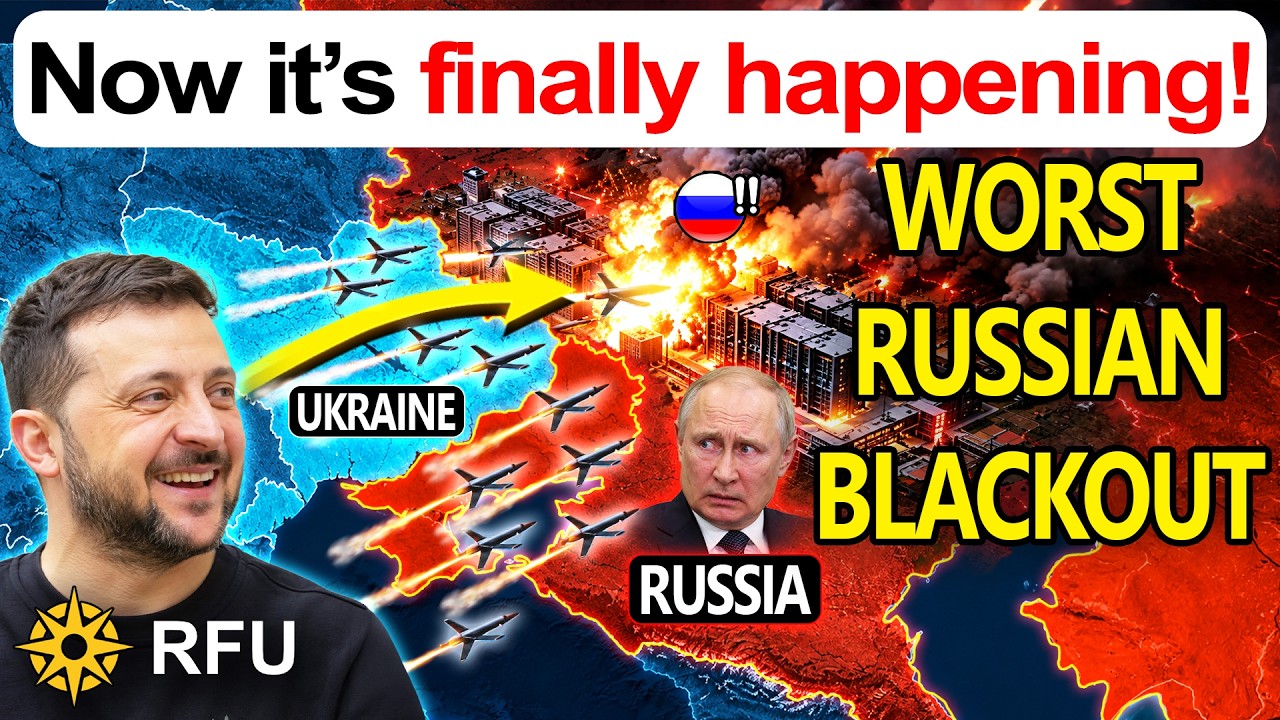
Here, Russia’s technology sector has suffered a major blow after drones struck Yandex’s biggest data center in Sasovo, in the Ryazan Region, triggering a fire and forcing the facility to shut down completely. Located on the former premises of the Sasta machine-tool plant, which supplies Russia’s engineering industry and was also targeted in the attack, the complex hosts tens of thousands of servers and represents Yandex’s most important computing facilities.
The Ukrainian attack immediately disrupted cloud infrastructure, as Yandex acknowledged electricity problems affecting one availability zone and advised customers to switch to alternatives. Although the company maintained that its principal consumer services remained operational, the complete shutdown demonstrated how quickly a physical strike can interrupt digital infrastructure supporting thousands of businesses, as problems were reported throughout various internet services in Russia within minutes after the attack.
Financial markets reacted immediately in panic as well, with Yandex shares falling approximately four percent during early Moscow trading, as investors were suddenly confronting a new risk: Russia’s most important technology companies could become increasingly vulnerable to the same type of disruption already affecting its energy and logistics sectors.
The timing is particularly significant because Russian strikes have recently targeted Ukrainian data centers, and now Russia is experiencing the consequences of attacks against its own digital infrastructure, while the economic implications could extend far beyond Yandex. Earlier attacks on Wildberries and Ozon facilities demonstrated how physical destruction can disrupt online commerce. Data centers represent an even more complicated challenge because they support the software systems that allow businesses to function.
What makes it even more dangerous, warehouses can often be replaced through smaller storage facilities, alternative distribution routes, and dispersed inventories. Large data centers are harder to replicate quickly, as they require enormous electrical capacity, cooling equipment, specialized servers, high-speed connections, and carefully coordinated software environments. Although workloads can be transferred between facilities, relocating massive datasets and computing capacity requires substantial investment and technical preparation. Consequently, repeated disruptions could create mounting costs even when companies successfully restore their services.
Russia’s digital economy depends upon these systems for cloud storage, financial transactions, corporate databases, telecommunications and government administration. Yandex itself operates search, navigation, transportation, storage and artificial-intelligence services, including YandexGPT. Disruption across several independent providers could therefore produce cascading problems: slower applications, interrupted online payments, unavailable business records, delayed administrative services and increasingly unreliable commercial platforms.
The next potential biggest target could be the Udomlya data center in Tver Oblast, processing nuclear-reactor simulations and storing state video archives from across Russia, the destruction of which could disrupt the work of the Russian government. The second major target could become Moscow’s M-Nine data center, which is a hub that, if taken offline, could cause a large part of the Russian internet to suffer immediate disruption, potentially affecting banking transactions, mobile connectivity, and government portals. Despite Russia possessing a geographically distributed data-center industry, most of the operational facilities are located inside or near Moscow.
After such a campaign, Russian companies will have to restore data access, redirect workloads, investigate interrupted transactions, and reassure customers. Some may need additional backup capacity, while others could reconsider relying exclusively on domestic infrastructure. For the Russian government, repeated incidents would create another expensive challenge alongside protecting refineries, transportation networks and industrial facilities.
Overall, the scale of the risk for Russia makes the Sasovo attack fundamentally different from previous attacks on warehouses. The immediate damage concerns physical equipment, but the secondary consequences can spread through businesses that never experienced the attack directly, demonstrating a vulnerability that Moscow can no longer ignore but can’t fix quickly enough as well. After years of Russian attacks against Ukraine’s civilian infrastructure, the consequences are increasingly reaching Russia’s own digital economy.

التماس جمهوری اسلامی برای توافق با آمریکا در حقیقت التماس مجتبی برای توافق با ترامپ است. چراکه جمهوری اسلامی در بالاترین سطح شکنندگی است و دیگر امکان تابآوری ندارد. التماسهای جمهوری اسلامی برای توافق سریع با آمریکا، ابراز تمایل برای مذاکره مستقیم و نشان دادن نرمش در خصوص برنامه هستهای و تنگه هرمز نشان دهنده این است که محاصره آمریکا نتیجه بخش بوده است.

💎 Help us expand the coverage! Subscription starts from just $4.99! Get 50% OFF full access to the map + exclusive strategic updates: https://www.rfunews.com/pricing
Today, there is important news from the Russian Federation.
Here, Ukraine’s campaign against Russia’s oil industry intensified, with explosions and fires reported at Lukoil’s massive Volgograd refinery. Processing roughly fifteen million tons annually, the facility produces gasoline, diesel and aviation kerosene essential to Russia’s economy and military. During the same attack wave, Ukraine also struck the Samara oil-distribution station, an important node involved in producing Russia’s oil export blend. These attacks followed an extraordinary week in which Ukraine reported strikes against six Russian refineries, demonstrating that individual raids can easily be turned into a systematic campaign with dangerous results for Russia.
As a result, the scale is becoming economically significant, as Ukraine’s Defense Ministry stated that more than fifty-one percent of Russia’s refining capacity has now been put out of operation, describing the objective as bleeding Russia’s military-economic system. Despite Putin acknowledging that attacks on energy infrastructure are affecting economic performance, his tactic is to translate this into a percentage change in gross domestic product only to hide the real economic effect and mislead the Russian public. Putin openly admitted a decrease of only about one percent of a roughly two-point-seven-trillion US dollar economy, which is approximately twenty-seven billion dollars. The broader cumulative consequences of the Ukrainian strikes, however, extend far beyond direct refinery damage through disrupted production, transportation, exports, repairs, and military fuel supplies, making опенUkrainian strikes deal even more harm due to their repetitive nature.
At Ilsky, Ukrainian drones damaged all three primary processing units, destroying almost the whole refining capacity. With the tank farm also damaged, production reportedly stopped at the key refinery supplying southern Russia and military logistics.
Novoshakhtinsk, capable of processing approximately five-point-six million tons annually, was also attacked by Ukrainian drones. Its connections to major rail and oil terminals make disruption there particularly damaging to fuel transportation across southern Russia.
Then Ukraine reached Perm, approximately one-thousand-and-five-hundred kilometers away. Fires were reported around several sections of the thirteen-million-ton Lukoil refinery, including the Avt-Five unit, responsible for roughly one-third of primary processing.
The next Ukrainian strike in Ufa also demonstrated that even distance no longer guarantees protection. Ukrainian drones attacked Bashneft’s enormous refining cluster more than one-thousand-three-hundred kilometers from Ukraine on consecutive days, damaging facilities producing diesel, gasoline, and aviation fuel.
At Kuibyshev in Samara, large fires were reported around the primary distillation infrastructure after incoming drone strikes. The refinery can process approximately seven million tons annually and produces substantial quantities of diesel, gasoline, and fuel oil, with the process now halted.
The Saratov refinery was hit again as well after previous strikes earlier this year. The Rosneft refinery processes up to seven million tons annually and produces fuels used by both civilian consumers and Russia’s military-industrial system.
The Ryazan refinery represents an even larger target, as it can process approximately seventeen million tons annually, and Ukrainian strikes ignited its primary-processing units, threatening an important source of motor fuel around Moscow.
Repeated strikes matter because repaired units can be damaged again, forcing Russia into an expensive cycle of restoration while simultaneously protecting an enormous network of refineries, pipelines and pumping stations. The consequences therefore extend far beyond destroyed equipment, as Russia requires petroleum products to move tanks, trucks and aircraft, while energy exports and taxation remain crucial sources of state revenue. Refinery disruption creates repair expenses, logistical bottlenecks, and pressure on domestic fuel availability while forcing additional resources into air defense.
Overall, Ukraine’s strategy is methodical, repeatedly attacking the infrastructure that converts Russian crude oil into economically and militarily valuable products. If Ukrainian estimates of more than half of refining capacity being disabled even temporarily are sustained, the pressure will increasingly reach Russia’s war machine itself. Putin must simultaneously finance the war, replace military losses, repair energy infrastructure, and protect facilities scattered across an enormous territory, while Ukrainian drones are demonstrating that increasingly little of that territory remains safely beyond their reach.
💎 Special Offer: starting from just $4.99! Get 50% OFF full access to the map + exclusive strategic updates: https://www.rfunews.com/pricing
In this video, we will analyze Russia’s recent mechanized assault on Sloviansk.
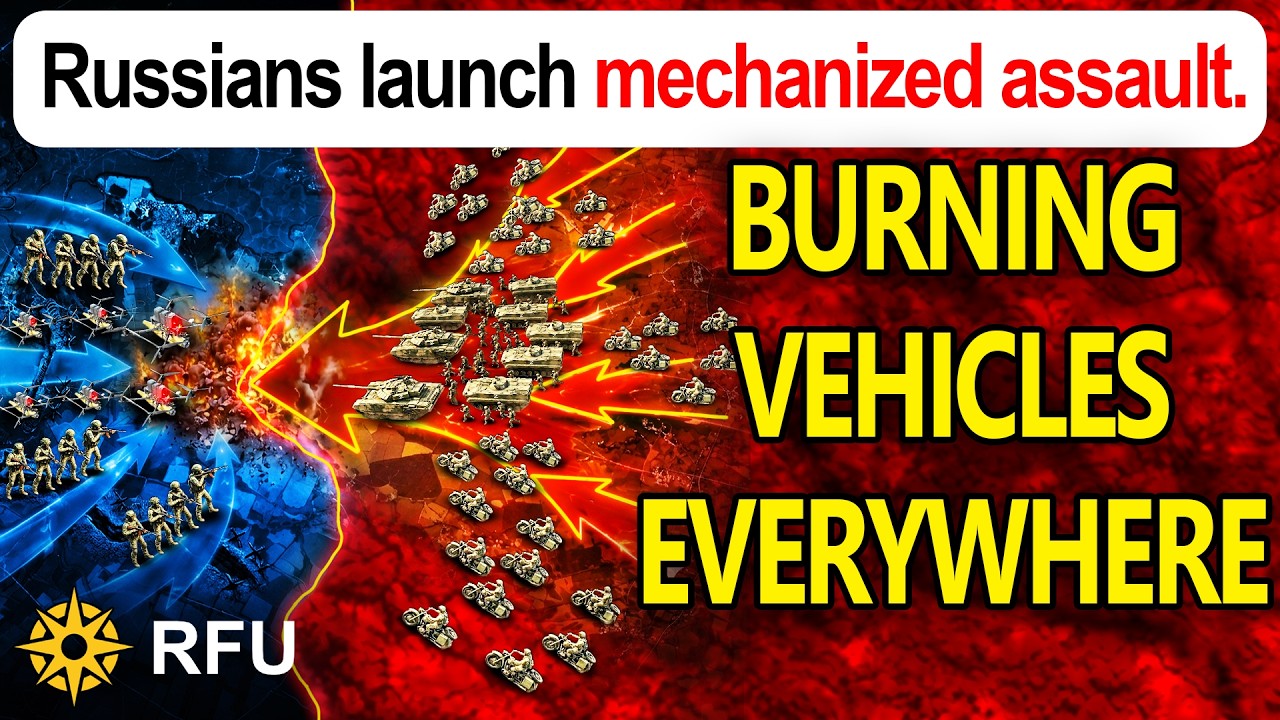
Here, Russian forces launched one of their largest mechanized assaults in months in an attempt to force movement on the Sloviansk axis. What followed left burning vehicles scattered across the battlefield and turned this attack into one of the clearest examples of how much was at stake in this push.
Russia’s goal here was to break through the Ukrainian forward positions covering the northeastern approaches to Sloviansk, especially in the Zakitne and Kryva Luka direction. These settlements matter because they form part of the outer defensive area shielding Sloviansk, so losing them would weaken the defense and open more favorable routes toward positions farther back. That is why Russia launched a larger mechanized assault here rather than relying solely on smaller infantry probes, as it was trying to force a breakthrough through the outer layer of the defense in a single push.
Russia tried to do that by sending two assault groups forward at the same time on separate routes, one toward Zakitne and the other toward Kryva Luka, in order to pressure the Ukrainian defense from multiple directions. This gave the attack a better chance of splitting Ukrainian attention and stretching drone coverage, preventing the defenders from focusing all their fire on one approach.
This attack plan was meant to give the Russians several advantages during the advance. Russians also committed motorcycles to reduce dependence on roads and tight formations, allowing the Russians to cross exposed ground faster without bunching into an easy target. The Russians also sent several tanks and BMP to their assault, meant to suppress Ukrainian positions and absorb fire while lighter elements pushed forward. In theory, that made the assault more resilient than a single dense column, because even if one vehicle was hit, other elements could still keep moving, giving the Russians a better chance of achieving their goal.
However, the main weakness of this Russian assault was that both groups still had to cross exposed approach routes into a defended sector. That allowed Ukrainian defenders to track the advancing elements early, slow them on the route in, and then strike vehicles and isolated groups as the assault began to break apart. Instead of arriving as one concentrated force, the Russian assault was reduced to smaller fragments that could be destroyed separately.
The footage shows exactly how that breakdown happened in practice, as Russian motorcycles, transport vehicles, and BMP move along roads and tree lines, but instead of building into one continuous assault, those elements appear increasingly separated as they come under fire. FPV drones strike BMP and other vehicles while they are still moving, catching them before they can reach cover or support the rest of the advance. In several moments, the assault appears to lose tempo completely, with individual vehicles destroyed on the route while other elements are forced to keep moving past wrecks or stop in exposed positions. Abandoned motorcycles and vehicles were hit after parts of the assault had already stalled, suggesting a loss of momentum before the attackers ever reached the line. By the time burning wrecks begin to accumulate along the approach, the footage shows that the real battle was no longer at the point of breakthrough, because Ukrainian defenses had already turned the route into a kill zone and broken the assault apart in motion.
Overall, the failed Russian assault shows that the Russian command is still trying to break the approaches to Sloviansk through larger mechanized attacks rather than relying only on small infantry group infiltrations. At the same time, Ukraine has shown that it still has the reconnaissance and strike coordination needed to respond to large-scale assaults in this sector. That means Russia may continue launching attacks of this kind, but each failure will make this method harder to sustain. If these assaults keep failing after detection, Russia will likely shift toward smaller and less visible attacks, because once Ukrainian reconnaissance spots a larger mechanized force, Ukraine can hit it quickly before it achieves anything meaningful.

به کانال جدید ما بپیوندید تا با ناگفتههای جذاب تاریخ ایران و جهان همراه شوید(Ghasedak Plus)
https://www.youtube.com/@ghasedakplus
برای دیدن ویدیوها و همچنین دانلود کتاب هایی که به عنوان منبع معرفی می شوند به کانال تلگرام قاصدک تی وی
مراجعه کنید:
لینک کانال:
https://t.me/GhasedakTV405
https://t.me/GhasedakTV405
https://t.me/GhasedakTV405
Join this channel to get access to perks:
https://www.youtube.com/channe....l/UCU-DW4PpGS-NAIrEi


کانال « نوای پارسی » خوش آمدید. 🎙️✨
در این ویدیو، شما را به یکی از قویترین و رهاییبخشترین غزلیات دیوان شمس دعوت میکنیم؛ غزل شورانگیز حضرت مولانا جلالالدین بلخی(Rumi) با مطلعِ شکوهمند «چو سرمست منی ای جان ز درد سر چه غم داری / چو آهوی منی ای جان ز شیر نر چه غم داری». این شعر، سرشار از پیغام رهایی، امنیت و بیباکی روح در پناهِ عشق الهی است. مولانا در این ابیات یادآوری میکند که وقتی به منبع لایزال عشق متصل باشی، دیگر هیچ ترس، غم و رنجی در جهان نمیتواند تو را از پای درآورد.
ما در نوای پارسی این شاهکار ادبی را با صدای پرکشش و احساسی زن، همراه با ریتمی پویا، شیدایی و در عین حال عمیق بازآفرینی کردهایم. آهنگ با شروعی سریع در بخش آواز آغاز شده و با تغییر ریتمها، فراز و فرودهای ملودیک و تحریرهای اصیل ایرانی، شما را به سفری درونی میبرد؛ موسیقیای که روحتان را نوازش میدهد و در عین حال حس سرزندگی و شادی درونی به شما میبخشد.
..................................................................................................................
بخشهایی از متن غزل «چو سرمست منی» دیوان شمس:
چو سرمست منی ای جان ز درد سر چه غم داری
چو آهوی منی ای جان ز شیر نر چه غم داری
چو مهروی تو من باشم ز سال و مه چه اندیشی
چو شور و شوق من هستت ز شور و شر چه غم داری
چو کان نیشکر گشتی ترشرو از چه میباشی
براق عشق رامت شد ز مرگ خر چه غم داری...
چرا همراهی با « نوای پارسی»؟
هدف ما در نوای پارسی، پیوند دادن اصالت ادبیات پارسی با فضاهای نو و شنیدنی موسیقی برای مخاطبان امروز است. اگر به شعرخوانی، دکلمههای خاص و موسیقی معنوی با ریتمهای احساسی علاقه دارید، با سابسکرایب کردن همسفر ما شوید.
راههای حمایت از ما:
✅ اگر این تلفیق شیدایی شعر و موسیقی حس خوبی به شما داد، ویدیو را لایک کنید.
✅ کانال «نوای پارسی» را سابسکرایب (Subscribe) کنید تا کارهای بعدی را از دست ندهید.
✅ زنگوله (🔔) را فعال کنید تا جزء اولین کسانی باشید که ویدیوهای جدید ما را میشنوند.
✅ در کامنتها برای ما بنویسید: شنیدن عبارت «ز درد سر چه غم داری» در این آهنگ چه حسی به شما داد؟
#موسیقی#آهنگ#مولانا #نوای_پارسی#چو_سرمست_منی #دیوان_شمس #دکلمه_شعر #موسیقی_عرفانی #صدای_زن #شعر_خوانی #آرامش #مدیتیشن #Rumi #RumiPoetry #PersianVocal #ParsSedaOfficial #MysticalMusic #UpliftingEnerg

✨ چهار غزل ماندگار از مولانا در چهار خوانش متفاوت
در این مجموعه، چهار غزل عاشقانه و عارفانه از مولانا را با چهار حال و هوای متفاوت میشنوید؛
ای توبه ام شکسته از تو کجا گریزم
ای جانک من چونی یک بوسه به چند ای جان
در حال حاضر نسخه کامل نغمههای منتشرشده را میتوانید از طریق صفحات «دیوان خیال» بشنوید:
Spotify:
https://open.spotify.com/artis....t/1UaklrP4x1Os640taX
Apple Music:
https://music.apple.com/us/art....ist/divan-khial/6783
site:
https://divanekhial.com
application:
https://play.google.com/store/....apps/details?id=com.
کدام غزل بیشتر با حال این روزهای شما همصداست؟
کدام بیت را بارها و بارها میتوانید بشنوید؟
⏱️ فصلبندی (۴ غزل)
00:00 ای توبهام شکسته از تو کجا گریزم
مولانا | دیوان شمس | غزل ۱۶۹۸
03:59 هله نومید نباشی که تو را یار براند
مولانا | دیوان شمس | غزل ۷۶۵
09:00 ای جانک من چونی یک بوسه به چند ای جان
مولانا | دیوان شمس | غزل ۱۸۶۷
12:27 خنک آن کس که چو ما شد، همگی لطف و رضا شد
مولانا | دیوان شمس | غزل ۷۶۳
🌿 لطفاً ویدئو را لایک کنید و برای دوستان اهل شعر و عرفان بفرستید.
#مولانا
#مولوی
#دیوان_شمس
#شعر_فارسی
#ادبیات_فارسی
#غزل_مولانا
#شعر_عرفانی
#موسیقی_سنتی
#شعر_کلاسیک
#شعر_عاشقانه
#عرفان
#PersianPoetry
#Rumi
#RumiPoetry
#PersianMusic
#MysticalPoetry
🔴 Use promo code YT20 to get 20% Tousi TV+ Annual Memberships at https://offers.tousi.tv
🛒 Get your Iran merch from our Tousi Store: https://www.tousistore.tv
📲 Download Tousi TV app — available on iPhone and Android.
X: @TousiTVOfficial
Instagram: @TousiTV
TikTok: @TousiTVOfficial

🔻 مهمترین خبرهای امشب:
🌐 شاهزاده رضا پهلوی: تنها توافق قابل قبول، تسلیم جمهوری اسلامی در برابر ملت ایران است
🌐 وزیر خزانهداری آمریکا: مقامهای جمهوری اسلامی دیوانهوار در حال خارج کردن پول از ایران هستند
🌐 نامهی نزدیک به ۲۰۰ چهره ورزشی به کنگره آمریکا: شاهزاده رضا پهلوی، نماینده مشروع مردم ایران هستند
🌐 واشینگتنپسـت: تصمیم ترامپ درباره ایران میتواند جایگاه او را در تاریخ تعیین کند
🌐 سخنگوی کاخ سفید به ملاها: دیپلماسی تنها گزینه نیست؛ ترامپ فرماندهی قویترین ارتش جهان هم هست
🌐 بنیامین نتانیاهو: برای ضربهی بسیار سنگین به جمهوری اسلامی آماده هستیم
🌐 یک روزنامه چینی: تروریستی اعلام شدن سپاه پاسداران، تهران را به انزوا و انفعال کشیده است
🌐 اعزام هواپیماهای ویژهی ارتباطی آمریکا به منطقه همزمان با گسترش فعالیت آواکسهای ایالات متحده
📌 این اخبار و تحلیلهای بیشتر را در اخبار شبانگاهی یونیکا دنبال کنید.
#اخبار_شبانگاهی #یونیکا #انقلاب_شیروخورشید
===================
برای حمایت از ما لطفا کانال را سابسکرایب نمایید
===================
برای دریافت اخبار بیشتر می توانید به وبسایت یونیکا در آدرس زیر مراجعه کنید
https://unikanews.com
===================
چنانچه انتشار این برنامه حقوق تالیف شما را نقض می کند می توانید از طریق
ایمیل زیرمشکل را با ما در میان بگذارید
Unikador2@gmail.com
===================
توجه: بخش کامنت ها برای تمامی ویدئو ها باز می باشد. دنبال کنندگان می توانند نظرات خود را آزادانه اعلام نمایند
کامنت هایی که حاوی کلمات رکیک، غیر اخلاقی و توهین آمیز باشد حذف خواهند شد
=====================
برنامه های یونیکا شامل بخش های مختلف مانند؛ اخبار یونیکا، کافه سیاست، ایران در رسانه های جهان، زنگ سیاست، تحلیل سیاسی روز، نکته نوشت و توئیت نوشت های داغ هفته می باشد
=====================
پایگاه خبری-تحلیلی یونیکا، رسانه ای مدیا محور است که بازتاب دهنده اخبار و اطلاعات مربوط به ایران می باشد. یونیکا در جهت خاموش نماندن صدای ایرانیان در سراسر جهان پایه گذاری شده و فعالیت می کند. یونیکا یک رسانه مستقل، آزاد و ملی است و هیچ وابستگی به شخص، نهاد خصوصی و دولت خاصی ندارد
====================

Tonight on *24 with Fardad Farahzad* a new phase of the war unfolds following strikes on Iran’s South Pars gas field, as Tehran is accused of firing ballistic missiles toward Riyadh and targeting Gulf energy infrastructure, while Qatar condemns an attack on Ras Laffan as a dangerous escalation. The program examines rising regional tensions, soaring global energy prices, and warnings from U.S. intelligence officials that although Iran’s strategic position has been severely weakened, it could attempt to rebuild its missile and drone capabilities. The episode also covers the killing of Intelligence Minister Esmail Khatib, Israel’s declaration that no Iranian official has immunity, heated debates in the U.S. Congress over the objectives of the war, and Reza Pahlavi’s message urging Iranians to honor slain protesters and continue civic resistance.
امشب در «۲۴ با فرداد فرحزاد»، فاز جدیدی از جنگ پس از حمله به تأسیسات گازی پارس جنوبی آغاز میشود؛ در حالی که تهران به شلیک موشکهای بالستیک به سوی ریاض و هدف قرار دادن زیرساختهای انرژی در خلیج فارس متهم شده و قطر حمله به رأسلفان را تشدیدی خطرناک توصیف کرده است. این برنامه به افزایش تنشهای منطقهای، جهش قیمت جهانی انرژی و هشدار مقامهای اطلاعاتی آمریکا میپردازد که میگویند موقعیت راهبردی ایران به شدت تضعیف شده، اما همچنان ممکن است برای بازسازی توان موشکی و پهپادی خود تلاش کند. همچنین کشته شدن اسماعیل خطیب، اعلام اسرائیل مبنی بر نداشتن مصونیت برای مقامات ایرانی، جدالهای تند در کنگره آمریکا درباره اهداف جنگ و پیام رضا پهلوی برای گرامیداشت جانباختگان اعتراضات و ادامه مقاومت مدنی بررسی میشود.

در این قسمت از برنامه، مجتبا پورمحسن در گزارش روزش، به تدارک ترامپ برای ازسرگیری حملات به جنوب ایران با هدف جلوگیری از حمله سپاه به کشتیها میپردازد و شایان سمیعی، کارشناس امنیت ملی، از احتمال حمله پیشدستانه جمهوری اسلامی به منافع آمریکا میگوید.


🔴 Become a member of Tousi TV+ at https://tousi.tv
📲 Download Tousi TV app — available on iPhone and Android.
🌎 Get access to The Situation Room: https://members.thesituationro....om.global/?ref=mahya
X: @TousiTVOfficial
Instagram: @TousiTV
TikTok: @TousiTVOfficial
💎 Help us expand the coverage! Subscription starts from just $4.99! Get 50% OFF full access to the map + exclusive strategic updates: https://www.rfunews.com/pricing
Today, there are dangerous updates from the Russian Federation.
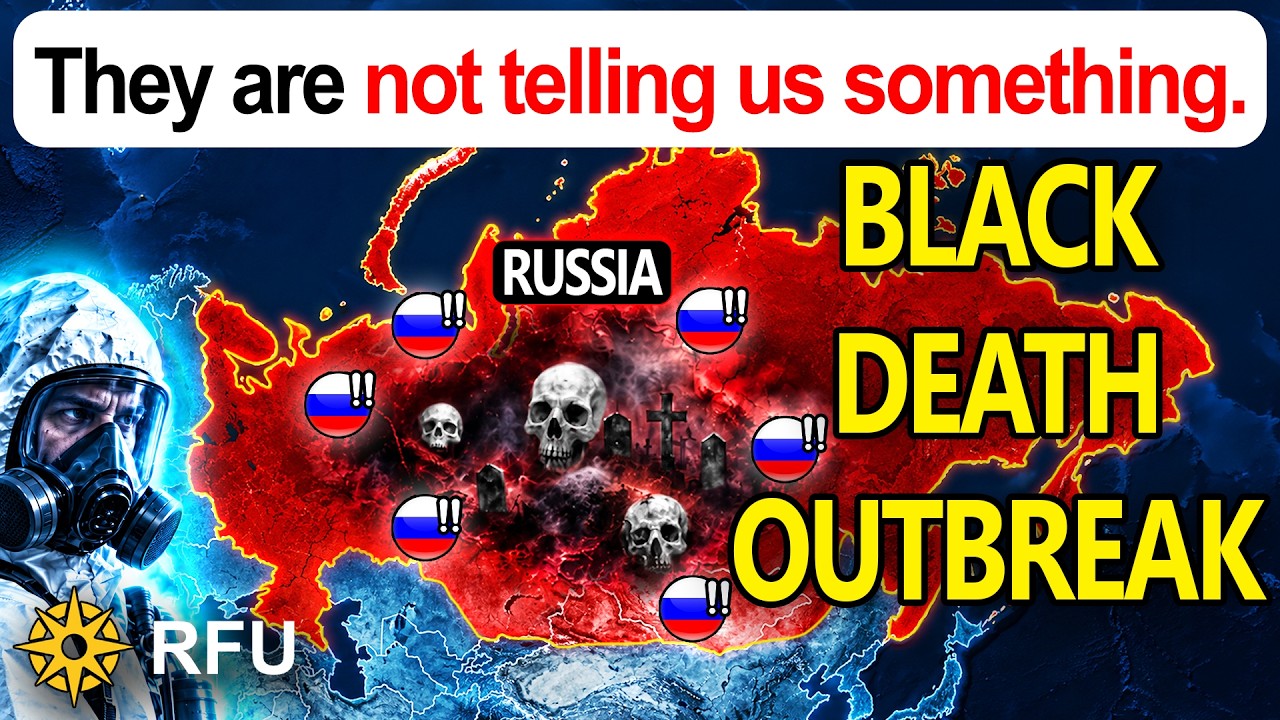
Here, Russia is facing an extraordinary plague outbreak in Siberia after a young laboratory worker died from a mysterious, severe pneumonia, and nearly two hundred potential contacts were placed under medical observation. Daria Shipilova, twenty-eight years old, worked at the Irkutsk Anti-Plague Research Institute and deteriorated rapidly after falling ill. The whole hospital was quarantined, public events were canceled, and Russia’s top public-health official Anna Popova traveled thousands of kilometers from Moscow to coordinate the response. Yet Russian authorities insist the regional situation remains stable, and that is where Russia’s story becomes increasingly strange.
According to the officially reported version, the lab official accidentally broke a test tube containing live plague bacteria while working. But Russian epidemiologist Mikhail Favorov publicly questioned that explanation, arguing that specialists handling dangerous pathogens work in protective equipment and describing infection through such an accident as unlikely. He also argued that the immediate arrival of the highest-ranking health officials in Russia indicates authorities were treating the situation extremely seriously, despite trying to project calmness to the public.
Russian authorities subsequently contradicted themselves and their own official laboratory-accident story, as they changed their version and stated that the woman died from pneumonia of unknown etiology, that testing found no microorganisms connected to her work, and that an investigation discovered no laboratory emergency involving dangerous pathogens.
Yet the precautions have been extensive, as nearly two hundred contacts were identified, several medical facilities introduced quarantine measures, preventive restrictions appeared elsewhere, and authorities launched an investigation. Meanwhile, officials initially avoided publicly identifying the suspected disease. One of the local leaders, Alexei Tsydenov, initially wrote that the woman had died from plague before subsequently modifying the statement to say she possibly had.
That combination has inevitably produced accusations of a cover-up, with the discrepancy obvious, as Moscow publicly minimizes the danger while simultaneously implementing measures appropriate for a potentially serious infectious incident.
The Kremlin has powerful reasons to prevent panic, as a genuine outbreak spreading beyond isolated contacts could force quarantines of whole towns, disrupt transportation and industrial production, consume medical resources, and create serious public anxiety at a time when Russian society is already on high alert as it feels the economic consequences of Putin’s campaign in Ukraine.
These consequences can become even more dangerous, as the Russian war machine depends upon enormous logistical networks moving soldiers, equipment, and ammunition across the country. A major infectious outbreak affecting transportation hubs, military facilities, or mobilization centers could interfere with troop rotations and training. Quarantines could remove personnel from duty, while outbreaks among tightly concentrated soldiers could temporarily disable entire formations, ending Putin’s war earlier than expected, as large-scale health restrictions would create another demand on government finances and manpower precisely when Moscow needs both elsewhere.
Overall, for the Russian government, controlling information may therefore become almost as important as controlling the medical situation. Russia has a long history of secrecy surrounding major disasters, from the nuclear power plant disaster in Chornobyl during the Soviet Union to the Kursk submarine sinking catastrophe, which Putin tried to hide at the beginning of his reign twenty-six years ago. Whether the event in Irkutsk ultimately proves to be a plague outbreak, another more common infection, or an isolated laboratory incident without major consequences, the conflicting explanations have already created precisely what the Kremlin would want to avoid: suspicion that the official story is concealing something considerably more serious. Something that could be the final nail in the coffin not only for Putin’s war against Ukraine but also for his regime.
💎 Help us expand the coverage! Subscription starts from just $4.99! Get 50% OFF full access to the map + exclusive strategic updates: https://www.rfunews.com/pricing
Today, there are important updates from the Liman direction.
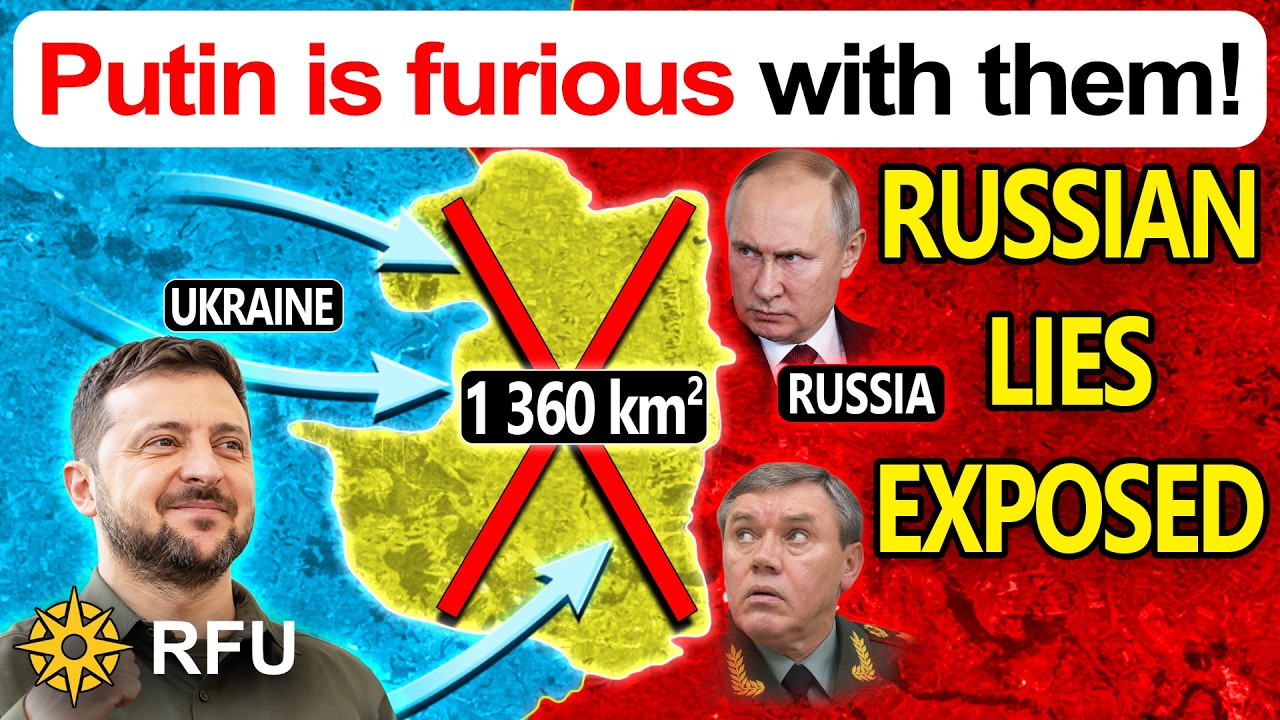
Here, the gap between Russian official maps and battlefield reality around Liman has become extraordinary, as Russian command maps place their furthest claimed positions roughly forty kilometers west of the actual frontline and attribute another one-thousand-three-hundred-and-sixty square kilometers to Russian control. Such claims are based on an apparently AI-generated video purporting to show a Russian soldier in Chervonyi Oskil, after which Russian sources claimed the settlement had been captured, causing reaction from Russian military analysts, who are increasingly criticizing this trend of exaggerated reporting.
That fictional picture has become increasingly difficult to preserve as Ukraine’s Operation Vivaldi advances. To counter this in the information space, Russia’s Western Grouping of Forces released footage supposedly demonstrating continued Russian presence in Nove, Ridkodub, and other recently liberated settlements by the Ukrainians. But analysts quickly identified indications that the footage was archival, with the videos filmed when Russian forces originally captured these locations in two-thousand-twenty-five, before Ukraine’s counterattack, showing vegetation inconsistent with current conditions. Another clip from Ridkodub showed a Russian soldier moving through the settlement while Ukrainian FPV drones pursued him, but visual comparisons placed the recording around August last year.
Russian military commentators have consequently begun attacking their own command’s response with the argument that the Ukrainian counterattack itself is less damaging than pretending it does not exist. Instead of acknowledging setbacks, determining why defenses failed and correcting them, Russian commanders publish old footage and maintain an increasingly fictional frontline, which creates consequences extending far beyond symbolic claims.
Russian soldiers witnessing Ukrainian advances while official channels insist nothing significant has happened have less reason to trust their commanders. Russian analysts have repeatedly warned that distorted reporting also damages battlefield decision-making: commanders can allocate reserves, artillery and drone coverage according to positions that exist on maps but not on the ground. The resulting disconnect can leave troops isolated and encourage demoralized soldiers to seek information elsewhere.
The real battlefield situation around Liman demonstrates why this matters, as Ukraine officially announced that its Third Army Corps has liberated settlement after settlement, releasing footage weeks after the events for operational security. The earlier penetration around Nove was particularly revealing, as the Ukrainian forces converted an old BTR into an unmanned explosive vehicle and managed to drive the relatively slow machine toward Russian defenses. Its ability to approach the target suggested Russian drone observation and fire control were not present there, because according to Russian maps, there was no threat to Ridkodub.
Now Ukrainian pressure is extending toward the Zherebets River. Russian sources themselves have acknowledged Ukrainian activity around crossings and positions near Terny, while Ukrainian strikes against crossing points and rear logistics are complicating Russian resupply. Every restricted crossing creates another bottleneck where vehicles, ammunition and reinforcements become vulnerable to drones.
Yet Russian information management continues trying to preserve a battlefield picture increasingly contradicted even by Russian analysts. After losing substantial territory and suffering significant casualties, commanders are still releasing archival or AI-generated footage and defending claims built upon earlier exaggerated advances.
Overall, Russia may claim that the Lyman front has stabilized, but fighting remains active around the Zherebets approaches, with Ukrainian infiltrators crossing the river for quick raids. Ukraine is simultaneously applying ground pressure, attacking the crossings methodically and disrupting Russian rear logistics. The widening distance between Russia’s declared frontline and the battlefield itself is therefore becoming more than an information problem: it risks actively undermining Russia’s ability to organize the defense it now urgently needs to stop Ukraine’s counteroffensive and to prevent the Russian defense line behind the river from collapsing completely.

Join this channel to get access to perks:
https://www.youtube.com/channe....l/UCsMSFwBF-4SWD5msA

Join this channel to get access to perks:
https://www.youtube.com/channe....l/UCsMSFwBF-4SWD5msA
